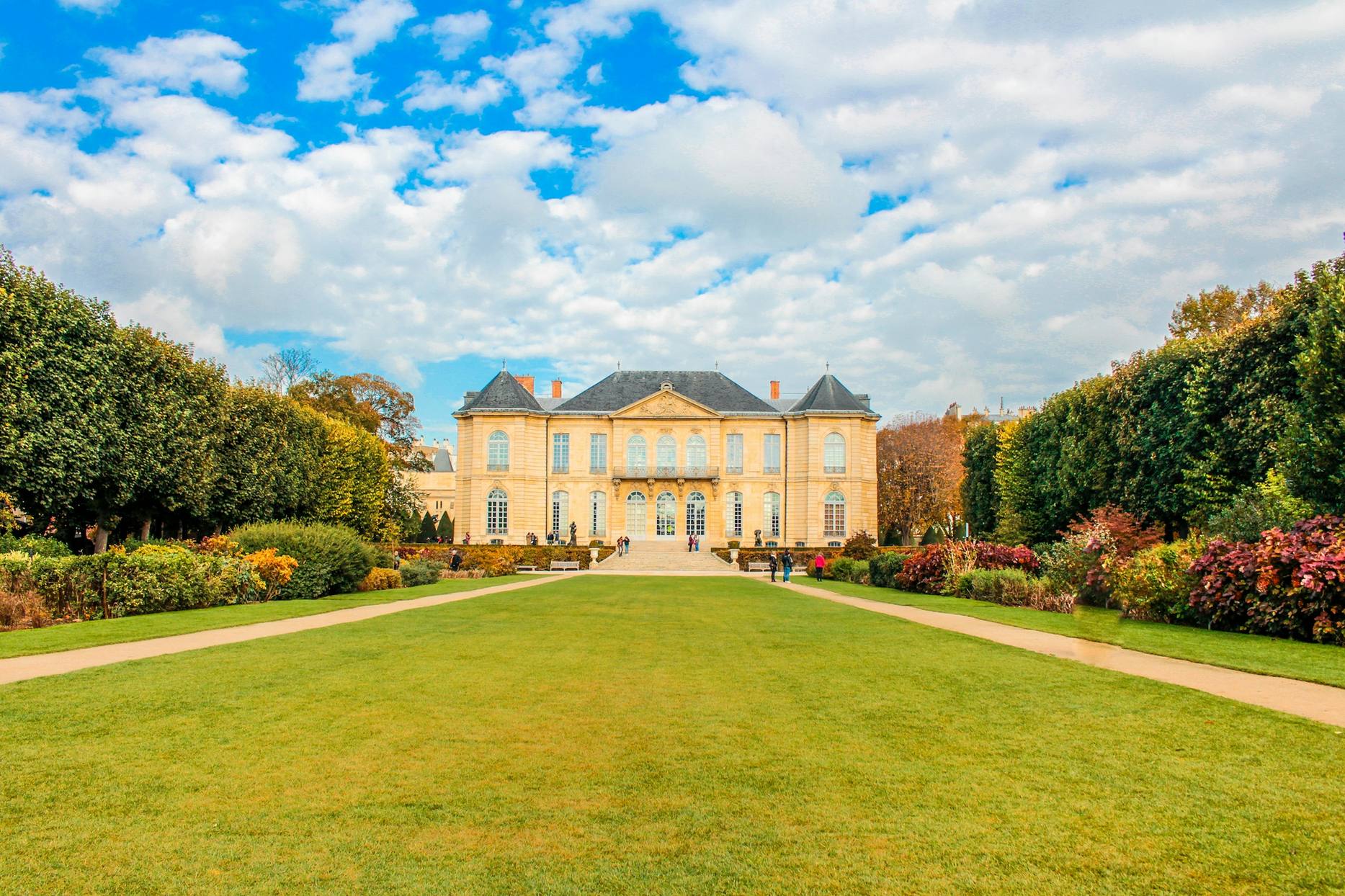
The Rodin Museum as seen from Saint-Germain-des-Prés : the garden is just as much a highlight as the galleries
The Rodin Museum is a 15-minute walk from Saint-Germain-des-Prés. From 59 Rue des Saints-Pères, the address of the Hôtel Pas de Calais, take Rue de Grenelle westward, pass by the Fountain of the Four Seasons, reach Boulevard Raspail, then follow Rue de Varenne to number 77: allow about 15 minutes door-to-door. You’ll arrive at the Hôtel Biron, an 18th-century mansion where Rodin set up his studio in 1908, surrounded by three hectares of gardens. It is here, in the open air, that *The Thinker*, *The Burghers of Calais*, and *The Gates of Hell* are displayed. Few Parisian museums offer as much to see outdoors as they do indoors. An autumn morning, with soft light and still-damp gravel, offers the best experience.
Rue de Grenelle then Rue de Varenne : about a 15-minute walk
Leave 59 Rue des Saints-Pères and walk south down the street for a few dozen meters until you reach Rue de Grenelle. Turn right, heading west. The street cuts straight through the Faubourg Saint-Germain, between carriage entrances and 18th-century facades. At number 57, Edme Bouchardon’s Fountain of the Four Seasons takes up the entire sidewalk, about a 6-minute walk from the hotel; two doors down, the Maillol Museum is housed in the Hôtel Bouchardon, also about a 6-minute walk away. Continue to Boulevard Raspail, cross it, and turn left for about 100 meters: Rue de Varenne will then open up on your right.
Follow it westward. You’ll cross Rue du Bac, then Rue Vaneau; you’ll walk alongside high walls hiding the gardens of government ministries; you’ll pass the Hôtel Matignon at number 57, about 14 minutes in. Number 77 is almost at the end of the street, not far from Boulevard des Invalides: this is the entrance to the Rodin Museum, about 15 minutes after leaving the reception area. No public transportation, no transfers—just one turn to remember. Rue de Varenne is the kind of street where you slow down without even realizing it, since there are no shop windows to catch your eye.
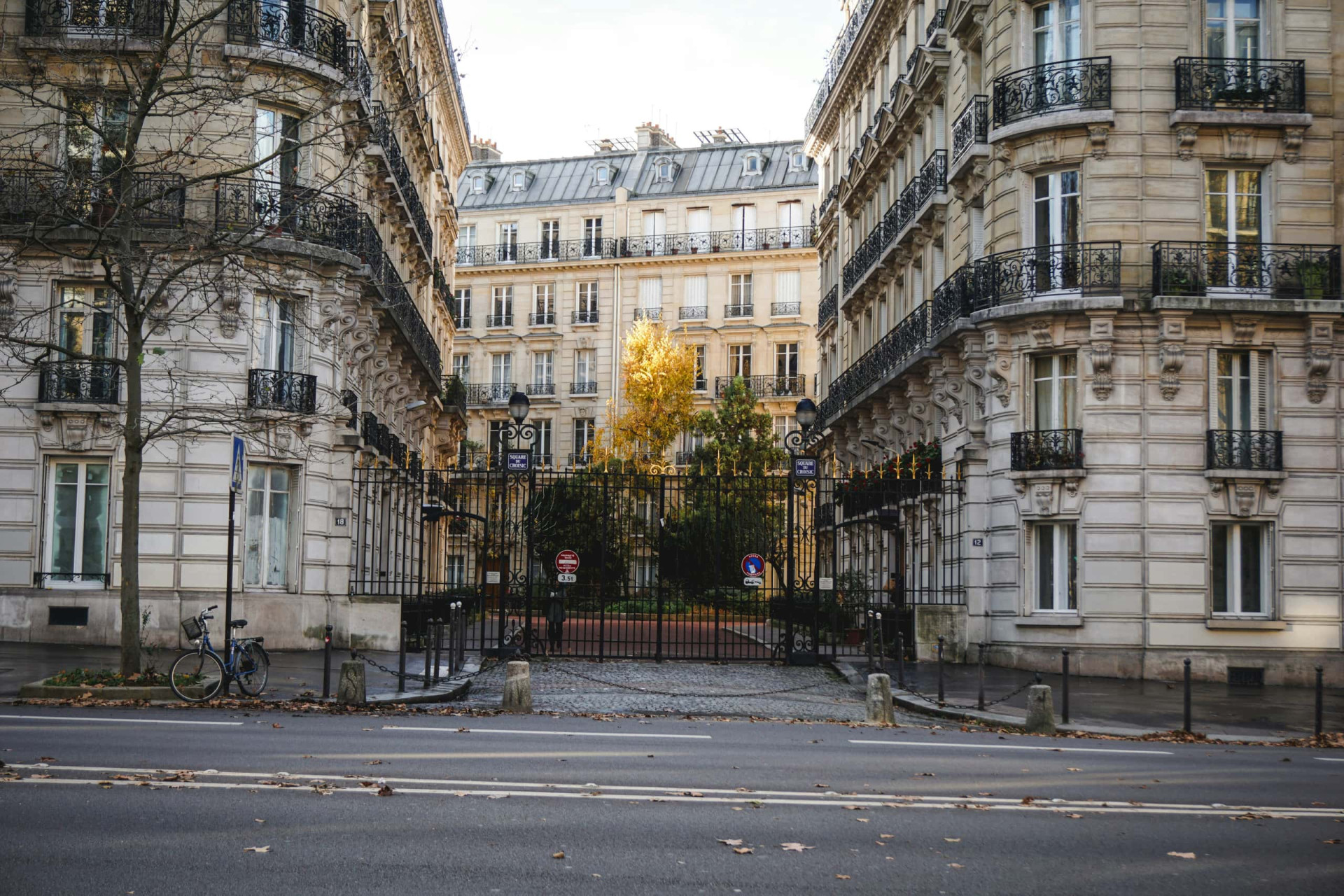
The Hôtel Biron, a private mansion turned studio
The house was built between 1727 and 1732 for Abraham Peyrenc de Moras, a wealthy financier, based on plans attributed to Jean Aubert and Jacques Gabriel. It owes its name to Marshal de Biron, who occupied it during the second half of the 18th century. In the 19th century, the Sisters of the Sacred Heart established a girls’ boarding school there, built a chapel, and stripped the interior of its wood paneling, which they deemed too beautiful for the students.
After the separation of church and state, the house reverted to the state, which rented out the rooms to anyone willing to take them. Among those who passed through its doors were Rainer Maria Rilke, Rodin’s secretary, Henri Matisse, Isadora Duncan, and Jean Cocteau. It was Rilke who told the sculptor about the place. Rodin moved in in 1908 and never left. To preserve it, he offered the state his entire body of work, his archives, and his collections. The donation was accepted by law in 1916, and the museum opened in 1919, two years after the artist’s death. The museum was thus born out of a deal between a sculptor and a house.
The garden, three hectares where sculpture gets some fresh air
Three hectares in the heart of the 7th arrondissement, it’s a Parisian anomaly. The garden unfolds in two distinct sections: a terrace and a long pond aligned with the south facade, followed by two groves, the Garden of Orpheus to the east and the Garden of the Springs to the west—where the hornbeam arbors create pockets of greenery. The rose garden stretches to the north, in front of the entrance. Nothing here is spectacular; everything is in perfect balance: gravel, boxwood, linden trees, trimmed yews, and a still body of water that reflects the bronze sculptures once more.
In the fall, this garden becomes the museum’s greatest draw. The rosebushes produce their last blooms late in the season, leaves pile up on the gravel, the low-angled light catches the green patina of the bronzes and the slightest fingerprint left in the original soil. The sculptures are outdoors, without display cases or ropes. You walk around them, get close, retrace your steps, sit down. Above the trees, the dome of Les Invalides frames the view. A couple can spend an hour there without exchanging three sentences which is the mark of a truly special place.
The Thinker, a figure born from a door
The Thinker did not begin his life as a solitary hero. In 1880, Rodin received a commission for a monumental door intended for a Museum of Decorative Arts that would never see the light of day: it would become The Gates of Hell, inspired by Dante. Above the tympanum, a seated figure towers over the crowd of the damned, the poet watching his own poem come to life. Rodin initially called it *The Poet*. Then he isolated the figure, enlarged it, and turned it into a standalone work, the monumental version of which dates from 1904.
In the garden, it stands a few meters from the path, at eye level. You can then see what a gallery conceals: the hunched back, the curled toe, the hand touching the mouth rather than the chin, the way the sky changes the color of the bronze over the course of an hour. A few dozen meters further on, *The Gates of Hell* displays its intertwined figures, where the eye eventually recognizes, in miniature, most of the museum’s famous sculptures. This is the highlight of the visit, the moment when one realizes that everything stems from here.
The Burghers of Calais, six men at eye level
In 1884, the city of Calais commissioned Rodin to create a monument to Eustache de Saint-Pierre. The episode dates back to 1347, during the Hundred Years’ War: the city, which had been under siege for months by Edward III, was granted a reprieve on the condition that six of its burghers surrender, wearing only their shirts, with ropes around their necks and the city keys in their hands. Froissart recorded the account.
Rodin rejected the heroic monument that was expected. He did not sculpt six brave men lined up in a row; instead, he depicted six men walking toward death, each alone with his own fear, hands too large, feet too heavy, faces turned away. He wanted the group placed at ground level, without a pedestal, so that passersby could mingle with them. In the garden of the Hôtel Biron, you approach them almost at eye level, and the idea regains its full power: they are neighbors, not statues. The name of the Hôtel Pas de Calais, at 59 Rue des Saints-Pères, takes on an unexpected resonance here, about 15 minutes from the room.
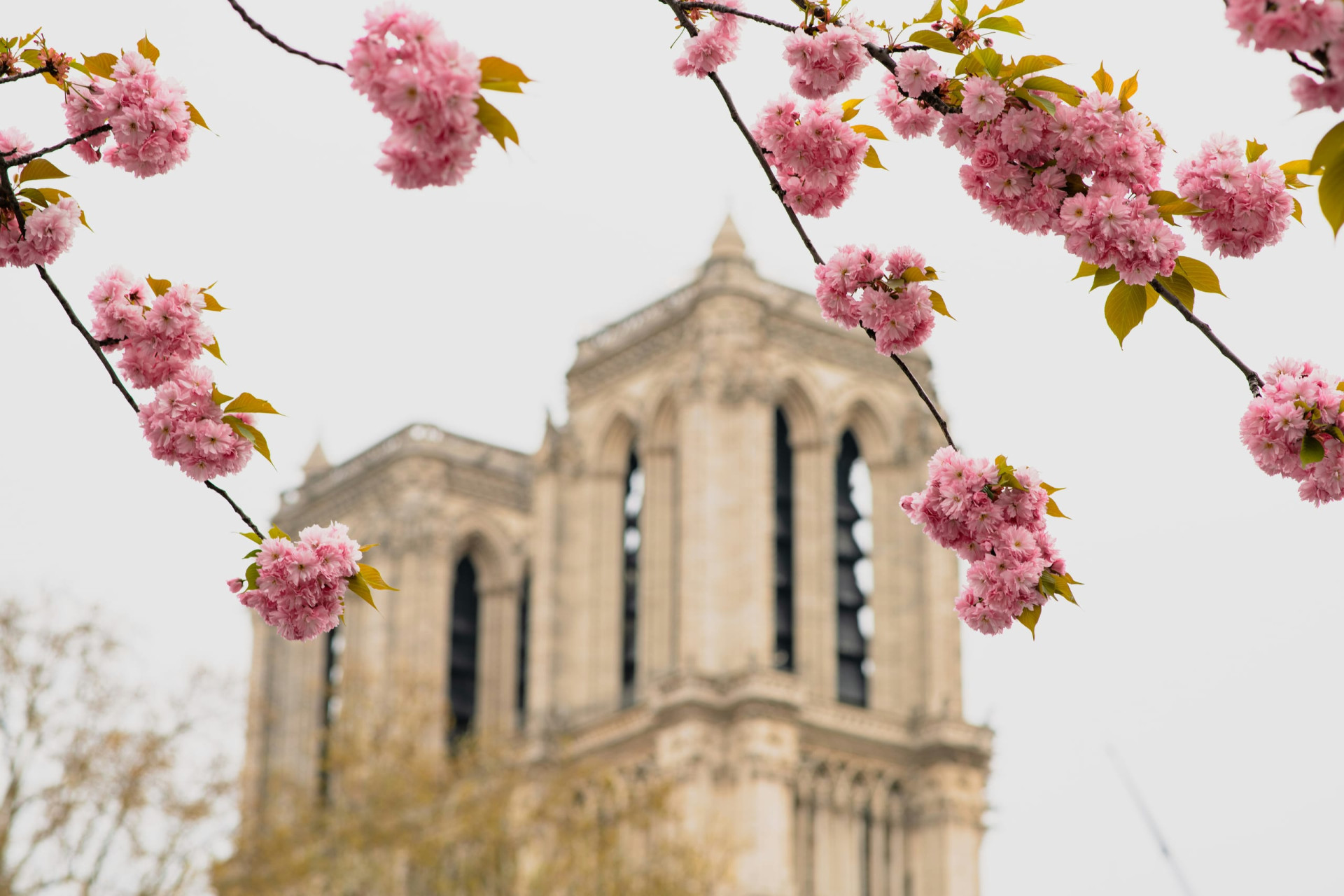
In the galleries : *The Kiss*, Camille Claudel, and the Rodin collection
The interior has retained its private mansion layout: a series of interconnected rooms, hardwood floors, wood paneling, and restored rock gardens, with tall windows that bring the garden into view in nearly every room. Here, one follows the process rather than the finished work: plaster casts, clay models, sketches, assemblages, isolated hands, and drawings in graphite and wash.
The marble *The Kiss*, *The Age of Bronze*, *The Cathedral* with its two outstretched hands that do not touch, the successive versions of *Balzac*, and those of the *Monument to Victor Hugo*. One room is dedicated to Camille Claudel, featuring *La Valse*, *La Vague*, *Clotho*, and *L’Âge mûr*. Rodin was also a collector: he bought hundreds of Greco-Roman and Egyptian antiquities, as well as paintings, including a Van Gogh, *Le Père Tanguy*. Seeing what a sculptor looked at speaks volumes about what he created.
Why an autumn morning and where to go next
The walk from Rue des Saints-Pères really comes into its own in October or November. The Faubourg Saint-Germain is quiet in the morning; light streams in from the south, and the garden dries slowly. You enter as soon as it opens, explore the garden first, and save the galleries for mid-morning, when the chill finally seeps under your coat. Two hours are enough, leaving the whole day ahead of you.
To extend your visit, the Esplanade des Invalides and the dome are just behind, about 18 minutes from the hotel. The Musée d’Orsay, another destination for sculpture as much as for painting, is about 12 minutes away via Quai Voltaire. The return trip can easily be made via Le Bon Marché, about 7 minutes away, or along Boulevard Saint-Germain, where the Café de Flore and the Church of Saint-Germain-des-Prés are about 6 minutes from 59 Rue des Saints-Pères. Rodin also owned a house in Meudon, the Villa des Brillants, where he is buried beneath a replica of *The Thinker*.
Practical Information
Hôtel Pas de Calais, 59 rue des Saints-Pères, 75006 Paris, Saint-Germain-des-Prés
Rodin Museum, Hôtel Biron, 77 rue de Varenne, 75007 Paris: about 15 minutes via rue de Grenelle, boulevard Raspail, and then rue de Varenne
Fountain of the Four Seasons, Rue de Grenelle: about 6 minutes
Maillol Museum, Hôtel Bouchardon, Rue de Grenelle: about 6 minutes
Hôtel Matignon, 57 rue de Varenne, as seen from the street: about 14 minutes
Esplanade and Dome of Les Invalides: about 18 minutes
Musée d’Orsay, via Quai Voltaire: about 12 minutes
Le Bon Marché, Rue de Sèvres: about 7 minutes
Café de Flore, Boulevard Saint-Germain: about 6 minutes
Saint-Germain-des-Prés Church: about 6 minutes
Luxembourg Garden: about 12 minutes
Sèvres-Babylone Metro station, lines 10 and 12: about 4 minutes from the hotel
Saint-Germain-des-Prés Metro station, Line 4: about 5 minutes from the hotel
Rue du Bac Metro station, Line 12: about 7 minutes from the hotel
Varenne Metro Station, Line 13: in front of the Rodin Museum
Invalides Metro Station, lines 8 and 13, RER C: about 5 minutes from the Rodin Museum
Staying on Site
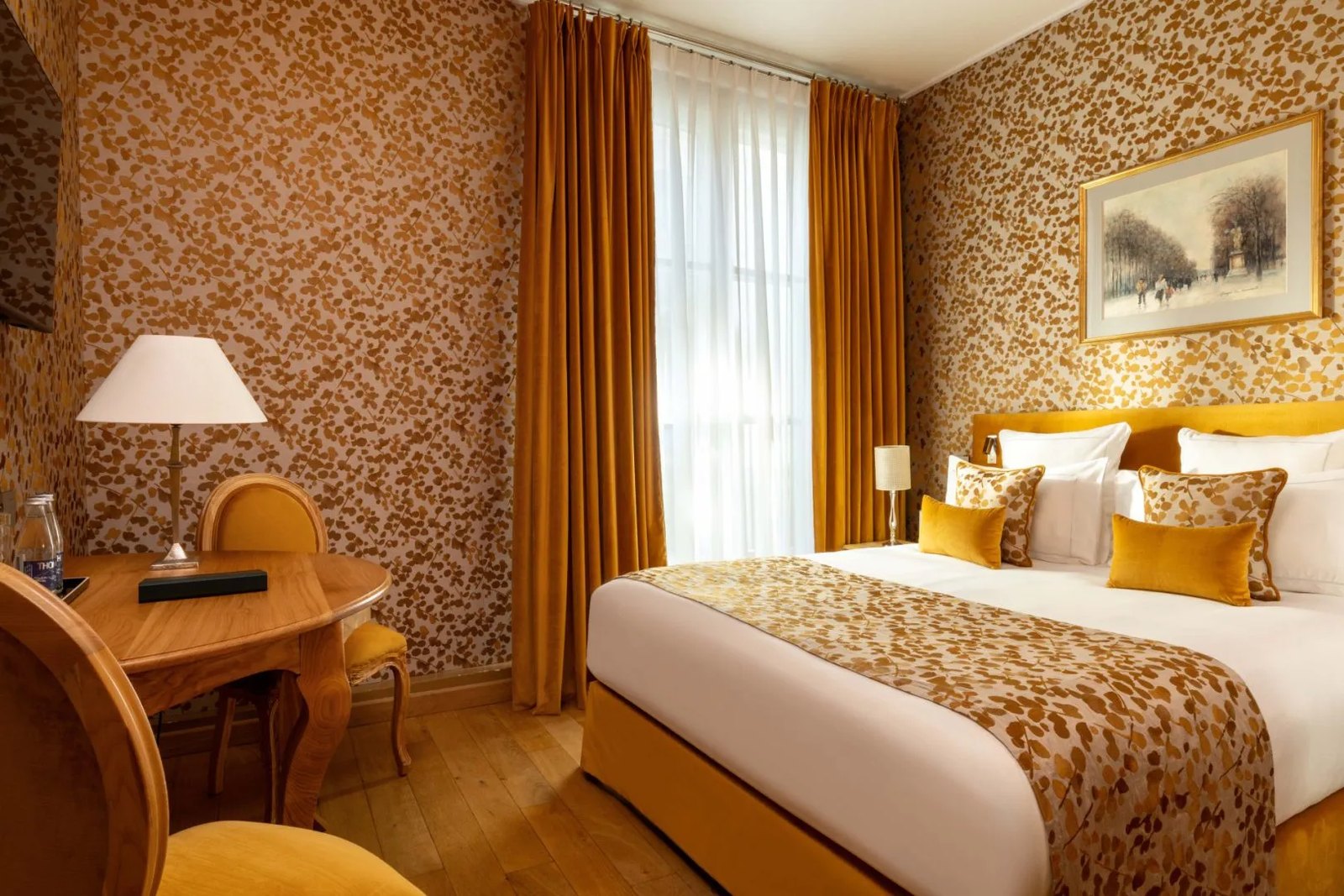
Staying at 59 rue des Saints-Pères means you can decide to visit the Rodin Museum over breakfast, step out ten minutes later, and return for lunch without taking any public transportation. It also means coming back the next day to see the garden in a different light, since the visit is just a quarter-hour walk away. The rooms and suites at the Hôtel Pas de Calais, a 4-star boutique hotel on the Left Bank, have been designed with this rhythm in mind, that of a couple who walk a lot during the day and want peace and quiet in the evening, a drink at the bar before dinner, and windows overlooking old Saint-Germain. Discover the rooms and suites and book yours for an autumn morning on Rue de Varenne.
FAQ
- How do you get to the Rodin Museum on foot from Saint-Germain-des-Prés?
From 59 Rue des Saints-Pères, the address of the Hôtel Pas de Calais, take Rue de Grenelle westward to Boulevard Raspail, walk down the boulevard for about 100 meters, then follow Rue de Varenne to number 77, where the entrance to the Rodin Museum is located. Allow about 15 minutes door-to-door, without public transportation or transfers. The route passes by the Fountain of the Four Seasons and the Maillol Museum, both about 6 minutes from the hotel.
- Is the Rodin Museum garden worth a visit on its own?
It is one of the few Parisian museums where the garden is just as important as the exhibition halls. Three hectares surround the Hôtel Biron, featuring a terrace, a pond, a rose garden, and two groves of hornbeam hedges. *The Thinker*, *The Burghers of Calais*, and *The Gates of Hell* are displayed outdoors here, without glass cases, allowing visitors to walk around them and view them at eye level.
- Which hotel near the Rodin Museum should you choose for a cultural getaway?
The Hôtel Pas de Calais, at 59 Rue des Saints-Pères, is about a 15-minute walk from the Rodin Museum, about a 12-minute walk from the Musée d’Orsay, and about an 18-minute walk from Les Invalides. This 4-star boutique hotel in Saint-Germain-des-Prés offers the balance that culture-seeking travelers look for: a neighborhood that’s lively by day and quiet by night, within walking distance of the major museums on the Left Bank.
- When is the best time to visit the Rodin Museum in the fall?
Early in the morning, right when it opens. The garden is still damp, the low-angled light brings out the full texture of the bronzes, and the paths remain quiet before the arrival of tour groups. A two-hour visit is sufficient—the garden first, then the galleries. Be sure to confirm the opening hours and the weekly closing day with the front desk at the Hôtel Pas de Calais before you leave.