When is the best time to visit Paris?
There’s no such thing as a bad season in Paris, only different trade-offs between weather, crowds, and prices. May, June, and September offer the best overall conditions: long daylight hours, open terraces, and gardens in full bloom. July and August offer a quieter city in residential neighborhoods like Saint-Germain-des-Prés, often with lower prices. Winter remains the time for empty museums and tables that are easy to reserve. Here’s how to decide based on what you’re looking for.
Spring, from mid-April to late June
This is the most popular time of year, for good reason. Temperatures become mild, the days get noticeably longer, and the gardens emerge from winter. The Luxembourg Gardens, ten minutes from Rue des Saints-Pères, are once again filled with people sitting on chairs and playing chess.
The result is inevitable: large crowds at museums and limited availability. If you’re visiting in the spring, book early, especially for the long weekends in May.
Summer, July and August
Many travelers avoid the summer for fear of crowds. This is true of major attractions, but less so of residential neighborhoods. Saint-Germain-des-Prés loses some of its residents, making the streets surprisingly peaceful in August.
The days are long, the outdoor cafes stay open late, and the quays are bustling in the evening. Heat waves can be intense: plan your sightseeing for the morning and museum visits for the afternoon.
It’s also a time when hotel rates are often more affordable than in the spring or fall.
A useful tip for travelers from hot climates: Paris isn’t a city with air conditioning throughout. Older buildings, including boutique hotels, stay cool thanks to their thick walls rather than air conditioning. Check the room amenities if you’re sensitive to heat.
Fall, September and October
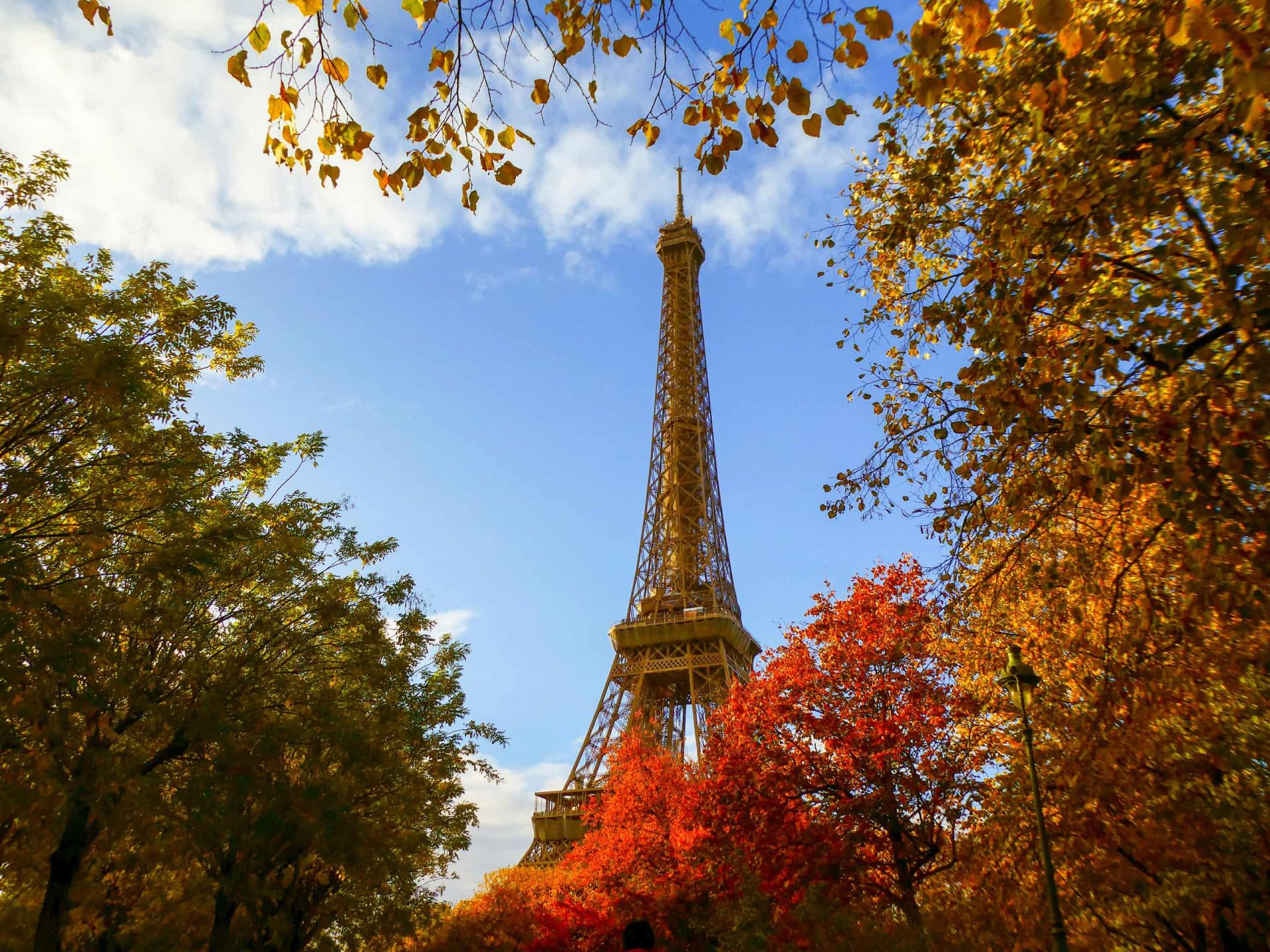
September is the best-kept secret. The weather remains mild, the light grows warmer, and the city regains its rhythm after the summer break. Fall exhibitions open, restaurants reopen, and cultural life picks up again.
October extends this pleasant atmosphere with remarkable colors in the gardens. Be aware, however, of trade show periods, which put a strain on the hotel market during certain weeks.
Winter, from November to March
This is the most underrated season. You can visit museums without waiting in line, restaurants accept last-minute reservations, and prices are at their lowest outside of holiday periods.
The days are short and the weather is often gray, which some dislike but suits others perfectly: a winter stay in Paris is best enjoyed indoors, among museums, bookstores, and long tables.
December is an exception, with holiday lights and high demand around the holidays.
January deserves a special mention. It’s the month when Paris once again becomes a city of Parisians. You can stroll through museums without waiting in line, top restaurants accept reservations just a few days in advance, and the low winter sunlight lends the facades a quality that summer lacks. For a traveler returning to Paris who’s already familiar with the major sights, this is probably the best time to visit.
Choose based on what you’re looking for
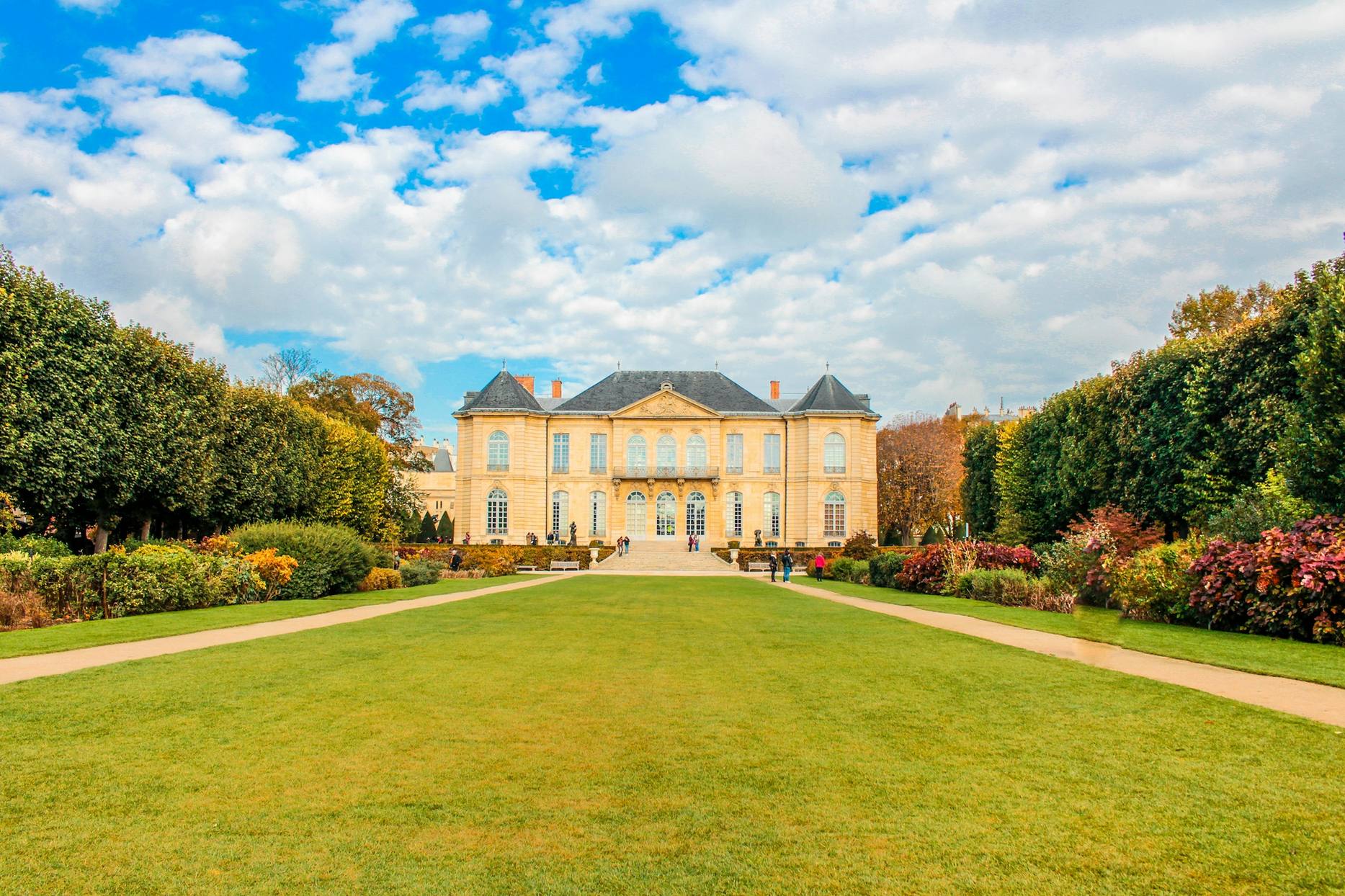
For photography and gardens: May, June, and early October.
For culture without the crowds: January, February, and November.
For a peaceful retreat in a lively neighborhood: August in Saint-Germain-des-Prés.
For a romantic getaway: September and October, when the evenings are mild without being noisy.
Two periods deserve special mention. The French school breaks in February and April fill the museums with families, without driving up prices. Conversely, the long weekends in May create very sharp spikes in demand over just three or four days.
From the Americas or Asia, book when
Travelers coming from far away are advised to book well in advance, for two reasons. The first has to do with flights, whose fares rise significantly as the travel dates approach. The second has to do with small hotels: a place like the Hôtel Pas de Calais has a limited number of rooms. The best ones go first.
A useful rule of thumb: book six months in advance for a spring trip, four to five months for September, and three months for winter (excluding the holidays).
Two tips for choosing your dates. Avoid scheduling your stay during a French long weekend if you’re not looking for the hustle and bustle: the city empties out of locals, some shops close, and tourist hotspots get overcrowded. Conversely, arriving midweek rather than on Friday significantly expands your choice of rooms and brings rates down.
Practical Information
Hôtel Pas de Calais, 59 rue des Saints-Pères, 75006 Paris.
Luxembourg Gardens: about a 10-minute walk. Musée d’Orsay: about 8 minutes.
Busiest times: the long weekends in May, trade show weeks in September and October, and the end-of-year holidays.
Quietest times: January, February, and the first half of August.
Staying in the Area
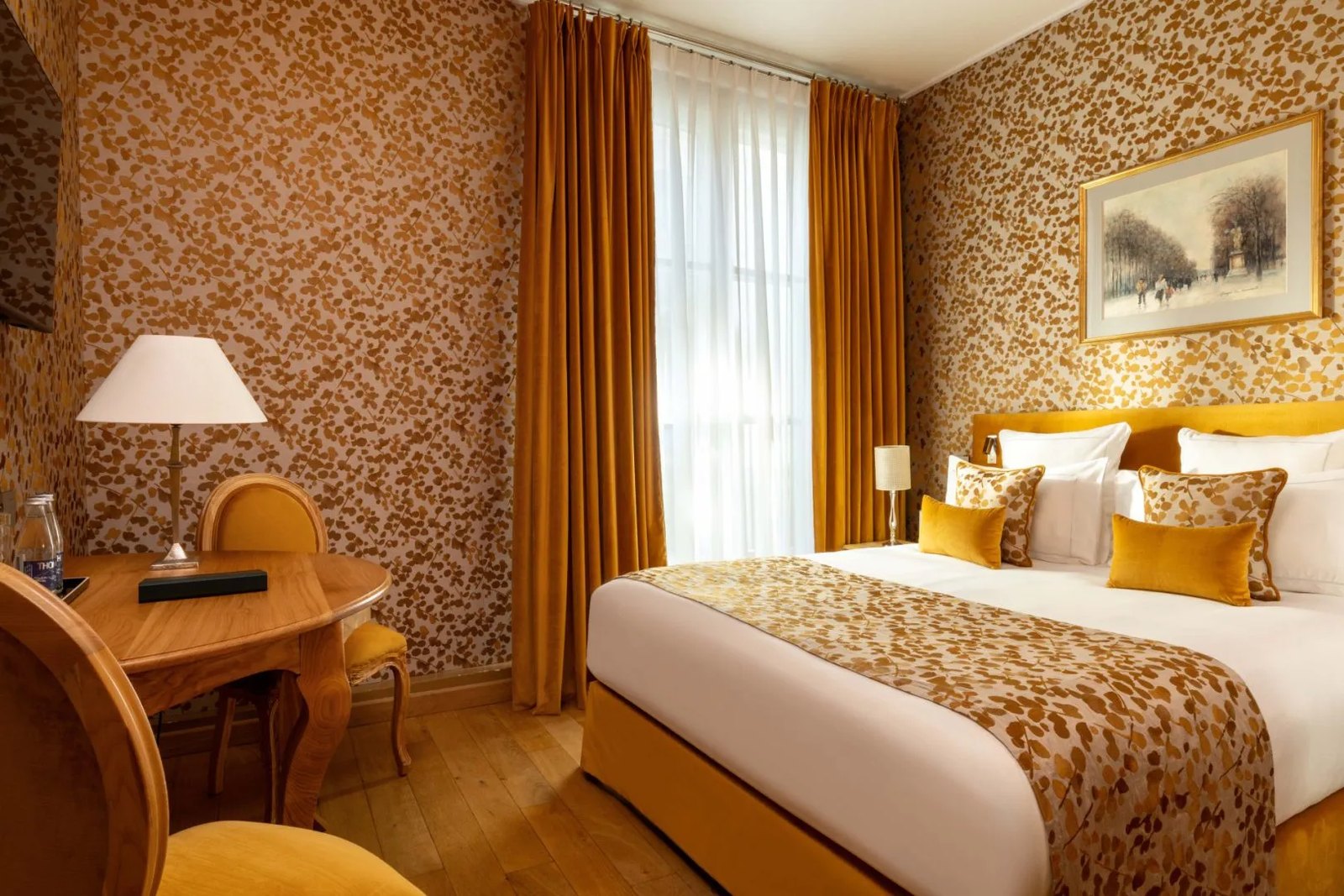
No matter the season, the neighborhood’s location remains the same: you’re within walking distance of museums and gardens. Check out the rooms and suites available for your dates.
FAQ
- What’s the best month to visit Paris?
May, June, and September offer the best balance of weather, light, and cultural life. September is often the most pleasant month, as the city has returned to its normal rhythm without the crowds of spring.
- Should you avoid Paris in August?
No. The major attractions remain busy, but residential neighborhoods like Saint-Germain-des-Prés are particularly quiet in August, with prices that are often more affordable.
- When are hotel rates lowest in Paris?
In January and February, as well as in November when there are no trade shows. The end-of-year holidays are an exception, with sustained demand.
- How far in advance should you book from abroad?
Plan about six months in advance for a spring trip, four to five months for September, and three months for winter (excluding the holidays). Smaller hotels fill up quickly.
- Is Paris worth a visit in winter?
Yes, especially for museums, which can be visited without waiting in line during these times. This also applies to restaurants, which are easier to book. The days are short, so you’ll spend more time indoors.