Where to Stay in Paris : Why Choose the Left Bank
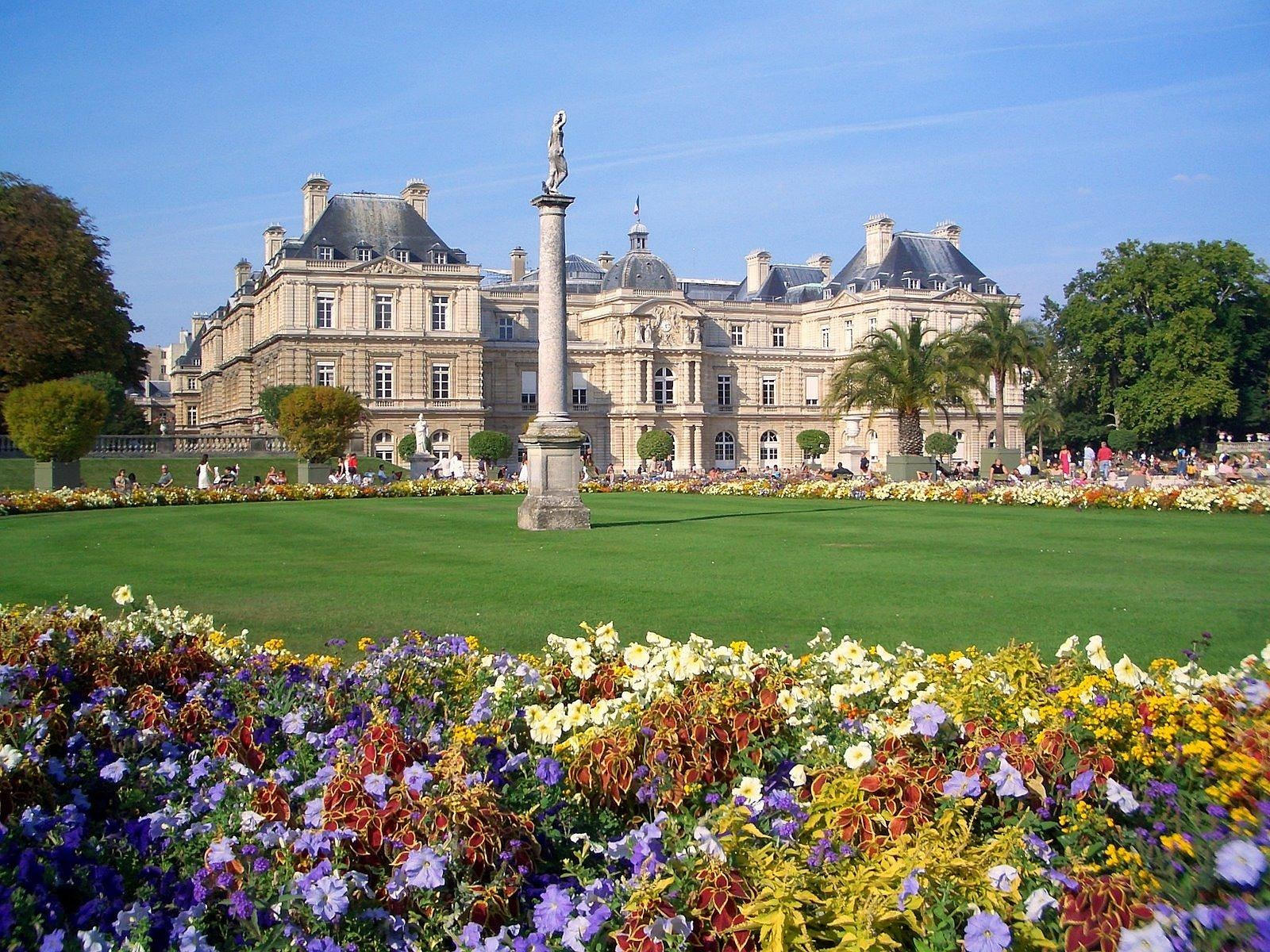
Whether it’s your first time in Paris or a return visit, the Left Bank remains the safest bet. Saint-Germain-des-Prés is located at the geographic center of the city, less than twenty minutes’ walk from the Louvre, Notre-Dame, and the Jardin du Luxembourg, with two direct metro lines to the train stations.
The neighborhood offers what northern Paris struggles to provide: quiet evenings, safe streets, bookstores and cafés open late, and a genuine neighborhood life that doesn’t fade away when visitors leave. Here’s how it compares to other options, without sugarcoating.
The criterion that really matters : travel time
Most travelers choose their neighborhood based on a photo. That’s a mistake. The real criterion is the time you’ll spend commuting, multiplied by the number of days. A hotel in Montmartre that costs forty euros less will set you back thirty to forty minutes of travel time per day—that’s nearly three hours over a four-night stay.
Saint-Germain-des-Prés has a favorable layout. The neighborhood is bordered by the Seine to the north, placing it within walking distance of both banks. From Rue des Saints-Pères, the Musée d’Orsay is an eight-minute walk, the Jardin du Luxembourg ten minutes, and the Pont des Arts and the Louvre about twenty. You walk instead of going underground. One detail that metro maps don’t show: the Left Bank is flat. From Rue des Saints-Pères to the Luxembourg Gardens, to the riverbanks, or to Saint-Sulpice, you never have to walk uphill. After four days of walking, the difference compared to walking on a hill really takes its toll on your legs.
Saint-Germain across from the Marais
The Marais is the most serious competitor. It shares the same central location, the same density of art galleries, and a livelier nightlife. The difference lies in the tranquility. The Marais has become a nightlife district, with all the noise that comes with narrow streets and late-night terraces. Saint-Germain retains a residential feel: residential buildings, food shops, and schools.
On a practical level, the Marais suffers from less direct metro service to the southern train stations and to Orsay. For a stay focused on museums and strolling, the Left Bank saves you time every day.
Saint-Germain across from Montmartre
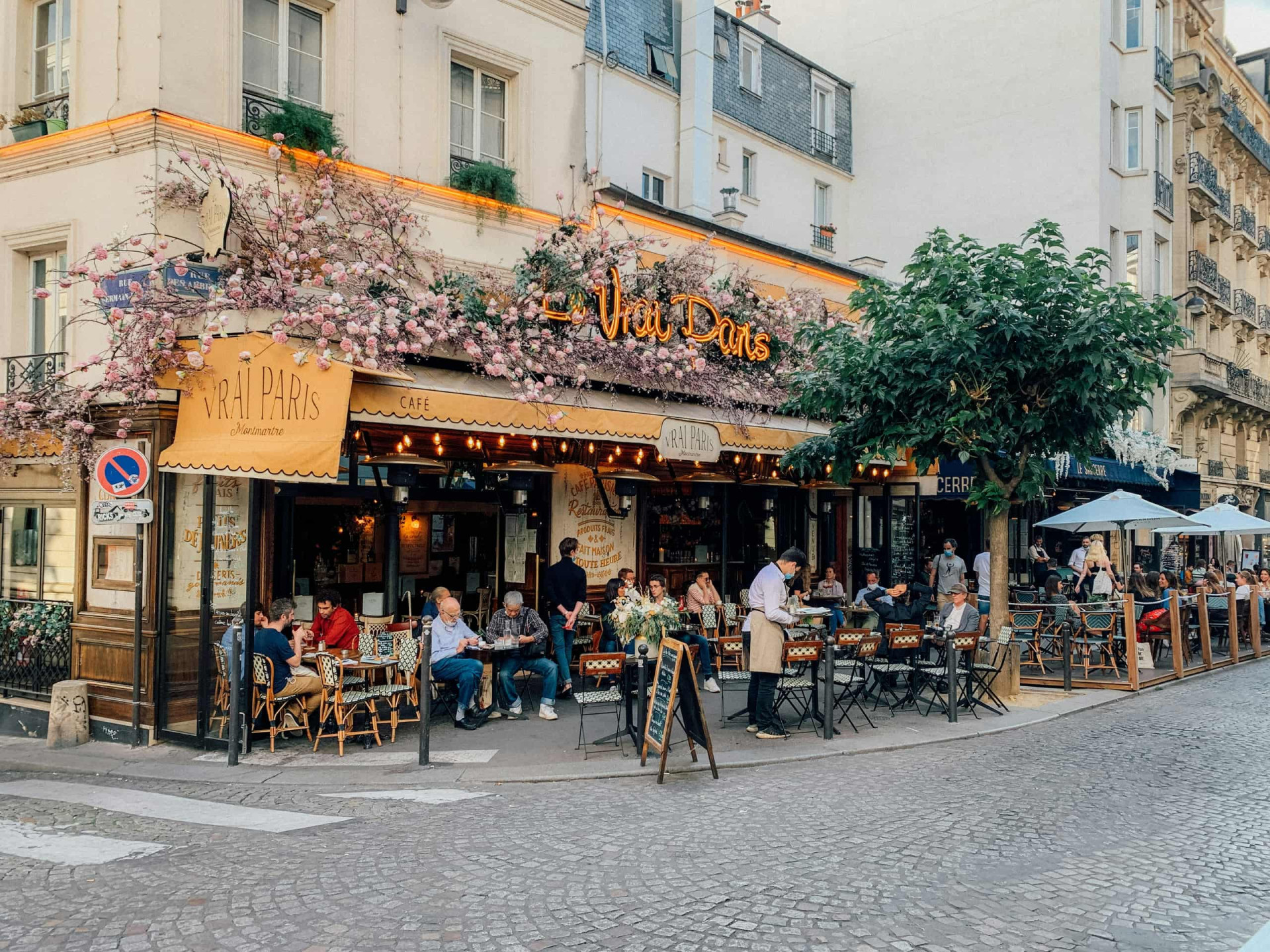
Montmartre charms with its village-like atmosphere. The charm is real, but so is the trade-off: the hill is off to the north, so walking means going uphill. The tourist streets empty out abruptly in the evening. Families with strollers and travelers returning late quickly realize this.
Montmartre is a neighborhood to visit for a day, not necessarily a place to stay for a week.
Saint-Germain across from the Champs-Élysées
The 8th arrondissement offers large-capacity hotels and a prestigious avenue. However, it lacks a neighborhood feel. The streets around the Champs-Élysées are largely occupied by offices and international chains, which in the evening gives the impression of a deserted business district.
For a traveler coming to experience Paris, the difference in atmosphere is striking from the very first morning.
What the Left Bank Offers in Addition
Three things that other neighborhoods don’t offer. First, a rare cultural density: the Orsay Museum, the Eugène Delacroix National Museum on Place de Furstenberg, and the École nationale supérieure des Beaux-Arts on Rue Bonaparte—all within walking distance.
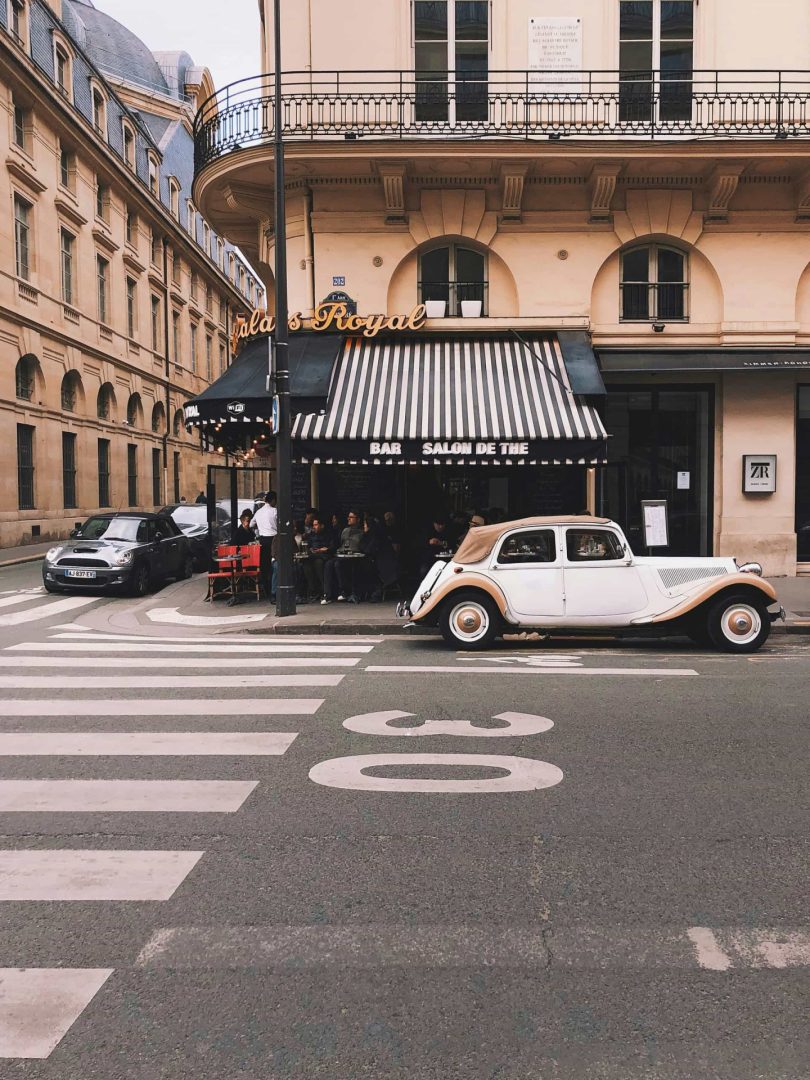
Then there’s a vibrant literary tradition. The independent bookstores on Rue de Seine and Rue Bonaparte aren’t just for show—they’re still in business. The Café de Flore and Les Deux Magots still serve their regulars in the morning.
Finally, a human scale. You do your shopping here, and you run into the same person twice a week. That’s what turns a stay into a real stay, rather than just a visit.
This scale has a practical consequence. Food shops, pharmacies, and cafés that open early are there for the residents, not for visitors. So you can find breakfast at seven o’clock, a dry cleaner, or a bookstore open in the evening—which is far from the case in neighborhoods that are exclusively touristy.
The perfect compromise for a first trip
If you’re coming for three to five nights and want to see everything without spending all your time on the metro, the Left Bank strikes the right balance. You walk to the main attractions, take the metro only for places that are really far away, and return in the evening to a quiet neighborhood.
For a longer stay, the case gets even stronger: it’s a neighborhood where you can live, not just sleep.
Staying in the Area
The Hôtel Pas de Calais is housed in an 18th-century building at 59 Rue des Saints-Pères, in the heart of this area. The rooms and suites overlook the street or the inner courtyard, for those seeking complete silence.
FAQ
- What’s the best neighborhood to stay in Paris for a first visit?
The Left Bank—more specifically, Saint-Germain-des-Prés—offers the best balance between central location, tranquility, and neighborhood life. The Musée d’Orsay is an eight-minute walk away, the Jardin du Luxembourg is ten minutes away, and the Louvre is about twenty minutes away along the riverbanks.
- Is Saint-Germain-des-Prés a quiet neighborhood in the evening?
Yes. It’s a lively residential neighborhood that maintains a vibrant mix of shops and cafés without the late-night bustle of the Marais. The streets remain lively without being noisy.
- Is it better to stay in the Marais or in Saint-Germain-des-Prés?
Both neighborhoods are central. The Marais is ideal for a stay focused on going out and nightlife. Saint-Germain-des-Prés is better suited for a stay focused on museums, strolling, and relaxation, with more direct access to the major museums on the Left Bank.
- Can you explore Paris on foot starting from Saint-Germain-des-Prés?
For the most part. Orsay, the Louvre, Notre-Dame, the Luxembourg Gardens, and the Île de la Cité are all within walking distance from Rue des Saints-Pères. The metro is only necessary for the outlying neighborhoods.